








Before any release, teams need a clear picture of how well a product behaves. Test coverage techniques help answer a basic question: what have we checked, and what still looks uncertain? These methods highlight areas that might need more attention and give developers and stakeholders a clearer sense of software quality. Different approaches can confirm […]

Behavior-driven development (BDD) is an agile software development technique used by developers, QA teams, and other stakeholders who are not technical in nature to work collaboratively in order to get collective clarity on what the project is set out to achieve. BDD focuses on obtaining an understanding of the desired software behavior through conversations supported […]

From startups to enterprises, APIs are the connective tissue of modern software. But an API is only as good as the tools used to build and test it. With virtually every online process now using some element of AI or automation, we need effective, efficient API testing tools and platforms for API development more than […]

In busy software teams, bugs can pile up quickly. Sorting them in a clear, consistent way helps products stay stable and keeps releases on track. A bug triage meeting gives the team a set time to look at open issues, agree on what matters most, and plan how each item should move forward. When teams […]

Customized real-time alerts are a key component of modern QA management. Given all the different testing scenarios, environments, and stakeholders involved in modern projects, generic alert systems often end up creating inefficiency for testing processes. Tailored real-time alerts ensure your QA processes stay efficient, actionable, and in line with project priorities – let’s discover how […]

Quality assurance (QA) is an integral component of software development, helping ensure bugs are identified and fixed prior to reaching end users. How QA issues are reported can have a dramatic impact on software life cycle efficiency; Real-time QA alerts and traditional reporting both offer unique advantages and drawbacks that need to be considered when […]
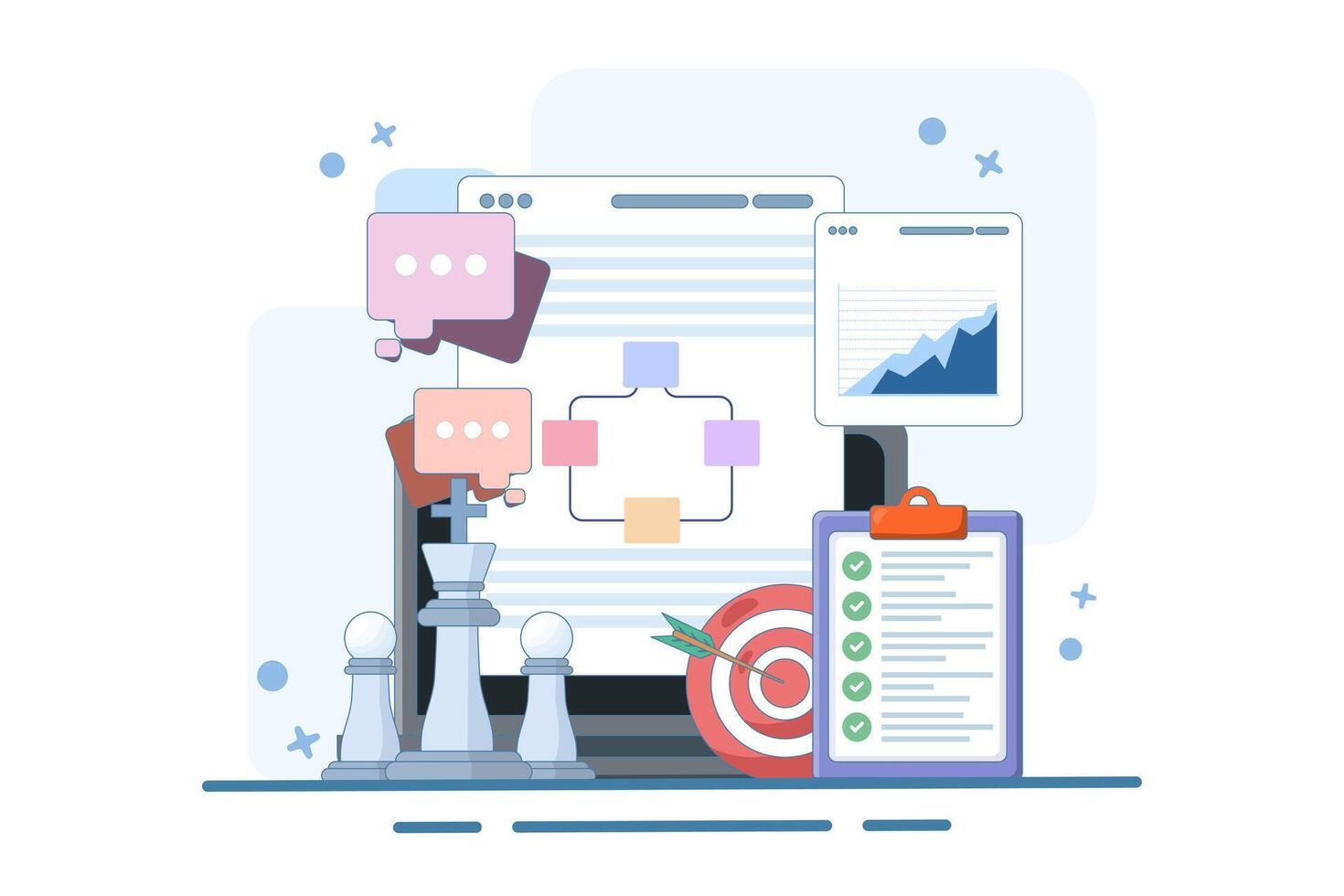
Gamification has grown from being an obscure idea into a powerful tool for driving productivity and engagement across industries. Gamification offers large QA teams in enterprises an effective solution to monotony, lack of motivation and communication gaps while improving software quality. When used appropriately it can transform routine testing tasks into engaging experiences which motivate […]

Software testing has always been an essential element of software development lifecycle, yet with applications becoming ever more complex, its importance has grown exponentially. Traditional bug detection and alert systems no longer meet modern demands; AI is emerging as a game-changer by revolutionizing how real-time alerts in software testing are managed, analyzed, and taken action […]

Regression testing is an integral component of software quality assurance, yet repetitively running the same tests can become tedious and demotivating for teams. Burnout or missed bugs may ensue during these tiring tasks if motivation doesn’t remain at its highest levels. Gamification can turn monotony into motivation to keep QA teams engaged and efficient. This […]
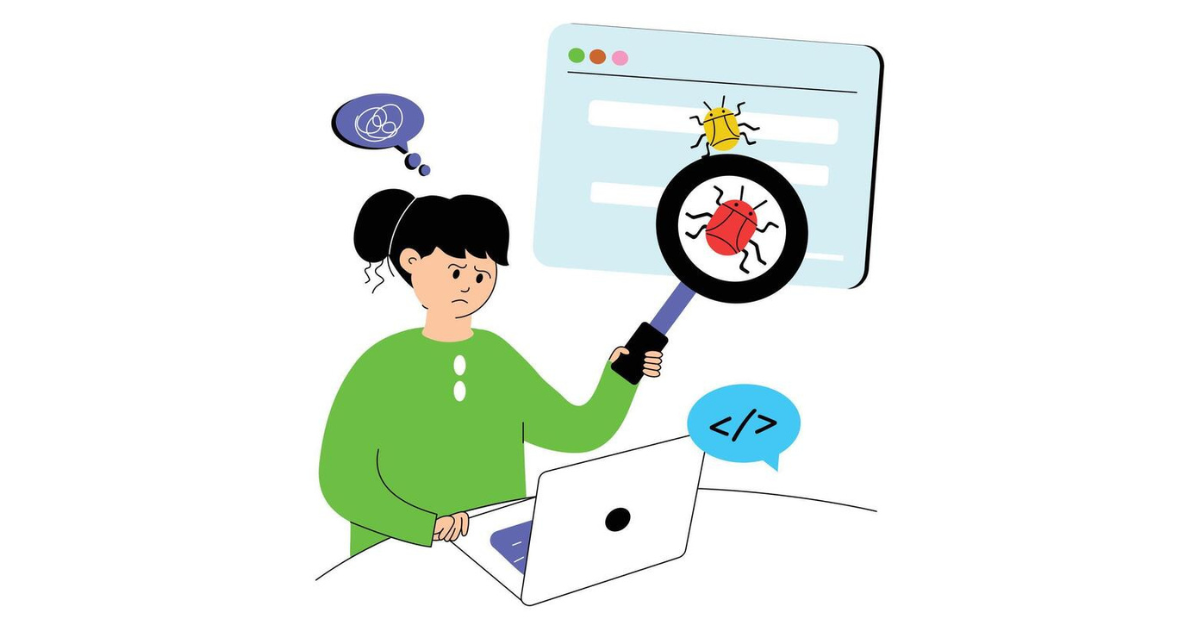
As in software development, early bug identification and resolution is of critical importance for successful product releases and post-launch disasters. Although new feature releases or meeting deadlines often lead to overlooking quality assurance (QA) practices, their costs can often be significant. This blog explores the Hidden Cost of Ignoring Bugs and the return on investment […]